Construction projects often generate noise levels that affect nearby businesses, residents, schools, hospitals, and public spaces.
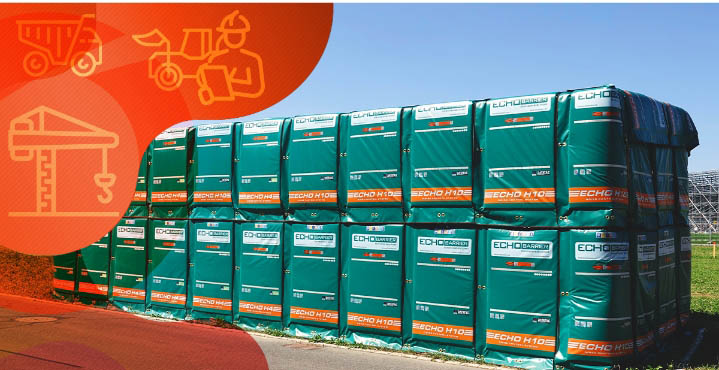
Installing a noise barrier fence helps reduce the transmission of construction noise while allowing work to continue safely and efficiently.
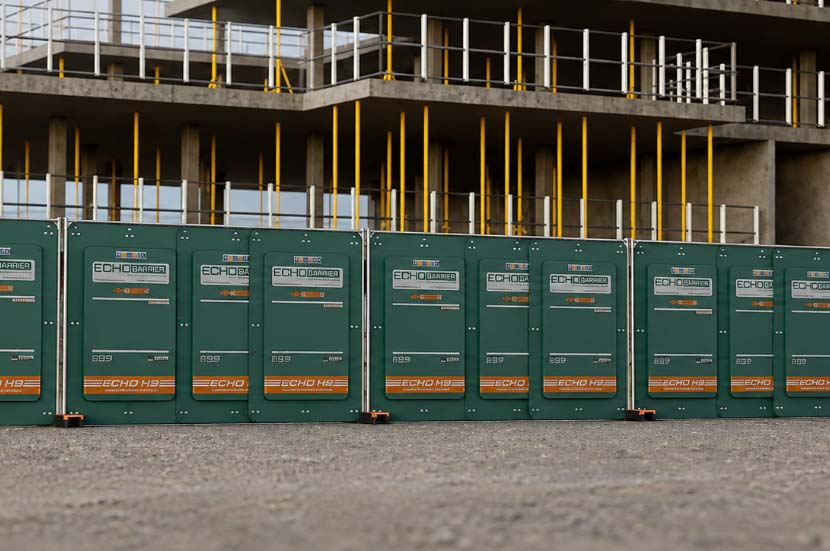
SONCO supplies acoustic barriers designed for temporary fencing and scaffolding, providing a portable solution for contractors who need to manage noise, meet project requirements, and minimize disruption to surrounding communities.
What to Consider When Choosing a Noise Barrier Fence
Many municipalities restrict acceptable noise levels during construction. Temporary acoustic barriers can help projects meet local requirements and reduce complaints from surrounding properties.
Noise Reduction Performance
Different acoustic barriers provide different levels of sound absorption. Choose a noise barrier designed for the type of equipment and activity taking place on your site.
Installation Method
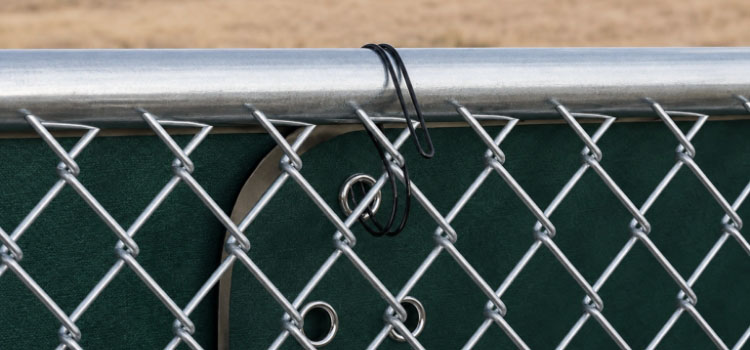
Noise barriers can be installed on temporary fencing or scaffolding. Consider how often the barrier will need to be relocated throughout the project.
Weather Resistance
Construction noise barriers should withstand rain, wind, UV exposure, and repeated handling without losing performance.
Fire Performance
Projects may require acoustic barriers that meet fire safety standards, particularly when used on commercial or infrastructure projects.
Common Applications for Noise Barrier Fences
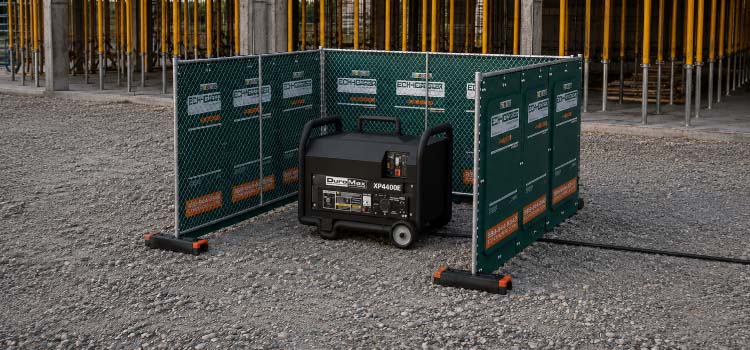
Noise barrier fences don't have to surround an entire site to be effective. They're often installed only around the equipment or work area generating the highest noise levels, helping contractors reduce sound where it's matters most.
Drilling and Demolition Areas
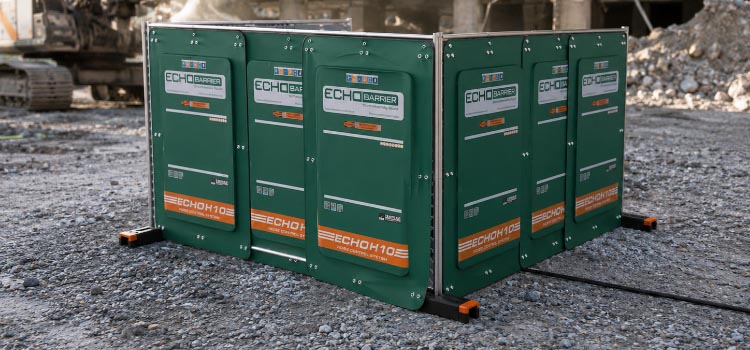
Create temporary acoustic enclosures around jackhammers, concrete saws, demolition work, and other high-noise activities to help reduce sound reaching nearby properties.
Generators and Site Equipment
Surround generators, compressors, pumps, and other continuously operating equipment with portable noise barriers to minimize background noise throughout the project.
Temporary Construction Perimeters
Install acoustic barriers on temporary fencing around sections of a jobsite located near homes, schools, offices, hospitals, or other noise-sensitive areas.
Events and Festivals
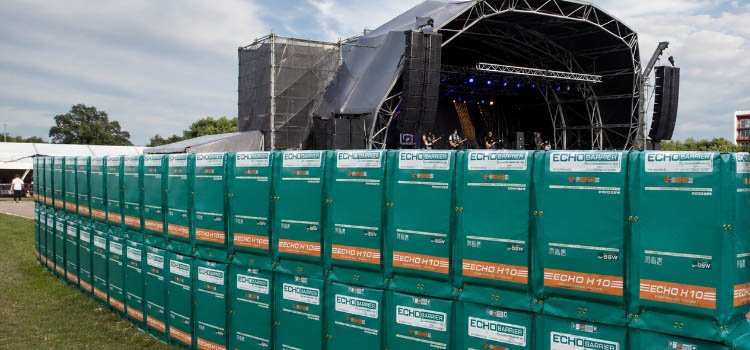
Use them behind stages, around generators, production compounds, and service areas to help reduce equipment noise and improve the guest experience.
Noise Barrier Fence FAQs
1. How much noise reduction can I expect?
A: Under lab conditions, H9 panels are rated to provide up to 43dB of noise reduction and H10 panels up to about 43.4dB. Real-world performance depends on layout, leaks, distance, and noise source.
2. Are these acoustic panels fire and weather resistant?
A: Yes. H9 and H10 are tested to ASTM E84 and BS 7837 for fire-resistance, and feature superior weather-resistance, making them suitable for outdoor use. The H10 also carries IPX6/IPX9 water-resistance ratings.
3. What’s the difference between H9 and H10?
A: H10 is engineered for the most demanding environments and achieves the highest lab-tested reduction with a reinforced backing layer for durability. H9 delivers excellent attenuation in a lighter panel that’s easy to handle and redeploy.
4. Are these sound barriers reusable across projects?
A: Yes. Panels are built for repeated use, roll up for transport and storage, and are designed to withstand harsh site conditions.
5. Do acoustic fences help with compliance?
A: They’re a practical way to reduce off-site noise and help projects align with local noise ordinances and community agreements. Always check and confirm requirements for your local jurisdiction.
6. How do I know if I need sound barriers for my project?
A: If your project involves noisy equipment, is located near homes, hotels, hospitals, offices, or public spaces, or must comply with strict local noise regulations, sound barriers can help. The best way to determine if Echo Barrier panels are the right fit is to speak with a SONCO expert. Our team can review your project details and recommend the most effective setup for your needs.