


Item in stock & Ships in 2 business days



Ship To




Sign In

Quote

Cart

Rentals


Item 1 of 5


+4
Specifications
| Model Number | SGBTL36 |
|---|---|
| Weight | 70 lbs. |
| Width | 24 in |
| Height | 36 in |
| Length | 72” |
| Application | Channelizing Devices |
| Material | Rotomolded Plastic |
| Filled Weight | 670 lbs |
| Fill Capacity | 63 Gallons |
| Certified | MASH LCD Test Level 1 |
| Brand | Remcon |
Need Help?
Contact our Specialists at (240) 834-6088SafeGuard 36 Water Barricade | Truckload
Truckload package of 100 SafeGuard 36 water barricades in orange or white. Designed for large-scale traffic control and perimeter setups. Each barrier weighs 70 lbs empty and up to 670 lbs when filled with water.
Register zip code or login for shipping estimate
$38200/ ea
$39900
Save $17.00 (5%)
- Orange
- White
- 1/2 White and 1/2 Orange

Overview 
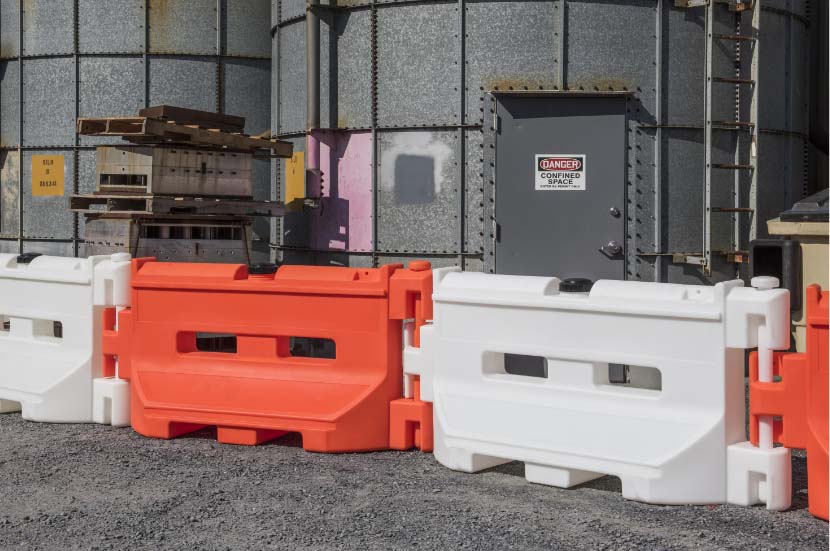
Water-Filled Barriers Designed for High-Volume Projects
The SafeGuard 36 truckload bundle is designed for projects that require high-volume deployment of water-filled barriers.
Each unit is 36in high and 72in long, providing a taller profile that helps guide traffic and define restricted areas more clearly than standard barricades.
They can be transported empty at 70 lbs and filled on site up to 670 lbs, allowing crews to position them quickly and adjust layouts as needed. Their MASH TL-1 classification makes them suitable for low-speed traffic zones where compliant channelizing devices are required.

Water Barricade Truckload with MASH TL-1 Certification
This truckload of 100 water-fillable jersey barriers is ideal for traffic control and construction use. They are build tough for repeated deployments. Each unit includes a swivel pin system that allows flexible barrier layouts across different site conditions.

MASH TL-1 Water Filled Barrier
|

Plastic Jersey Barriers with Swivel Pin
|

Tough Rotomolded Build Quality
|
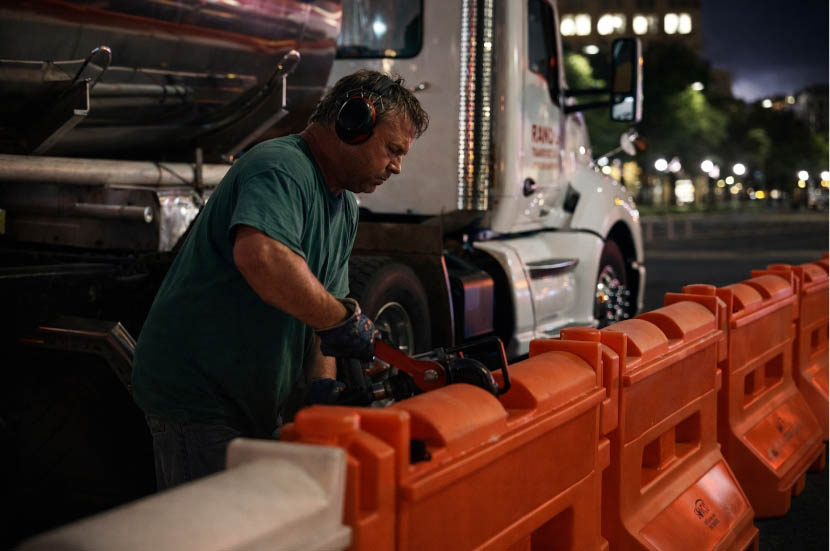
Benefits of Buying Water-Filled Jersey Barriers by the Truckload
This truckload bundle is designed for operations that require a high volume of water-filled barriers available at all times. Purchasing in bulk allows contractors, municipalities, and rental companies to maintain consistent inventory without needing to reorder. It also reduces the cost per unit compared to buying barriers individually -- a more efficient option for the long-term.
This format is commonly used for:
-
Large construction and infrastructure projects;
-
Traffic control companies managing multiple sites;
-
Equipment rental fleets with recurring deployments;
-
Municipal and public works departments;
-
Event companies setting up large perimeters.
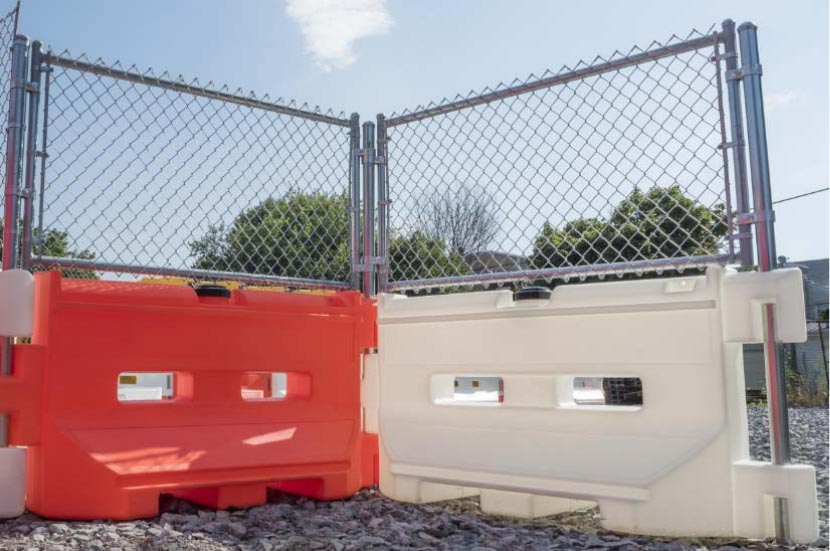
PRO TIP: Improve Security with Fence Toppers
Pair these water-filled barriers with fence toppers to make barrier lines taller and more visible to better protect active work zones.
Barricade fence toppers can be mounted directly onto the barriers, helping define traffic paths and making perimeter lines easier to see for both drivers and pedestrians.
Resources on Construction Water Barriers
|
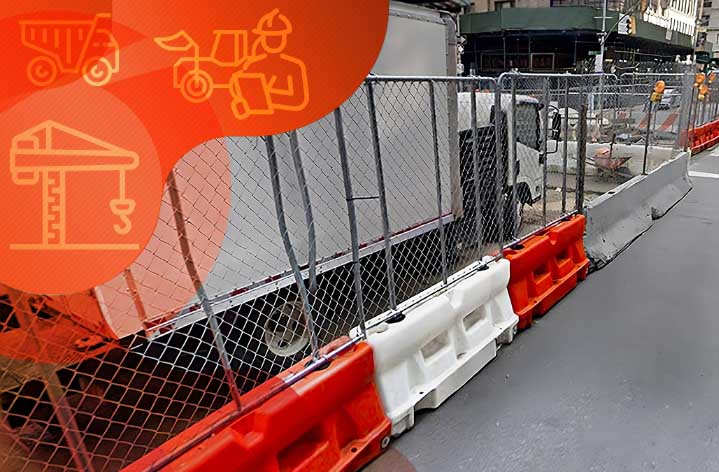
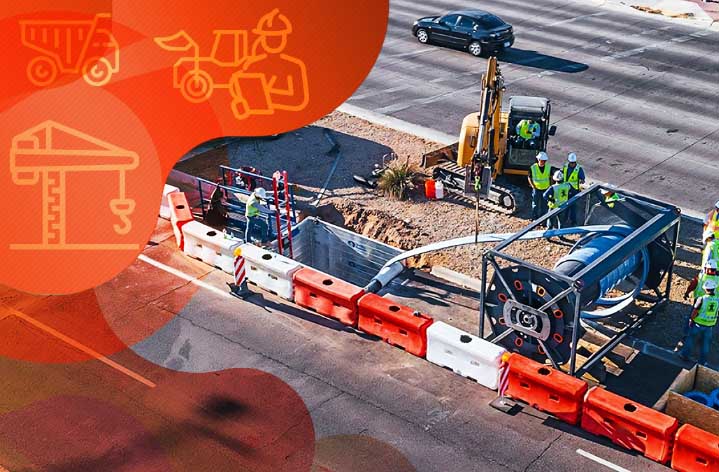
Compare concrete and plastic jersey barriers to understand how they differ, where each is used, and how to choose the right option for your project. |
|
Water-filled crash barriers absorb and dissipate energy from the car's impact, resulting in less gravitational pull and fewer injuries. |
Q&A
Reviews