






How to Get Sponsors for an Event: A Complete Guide

SONCO, November 25, 2024
Read more about the author


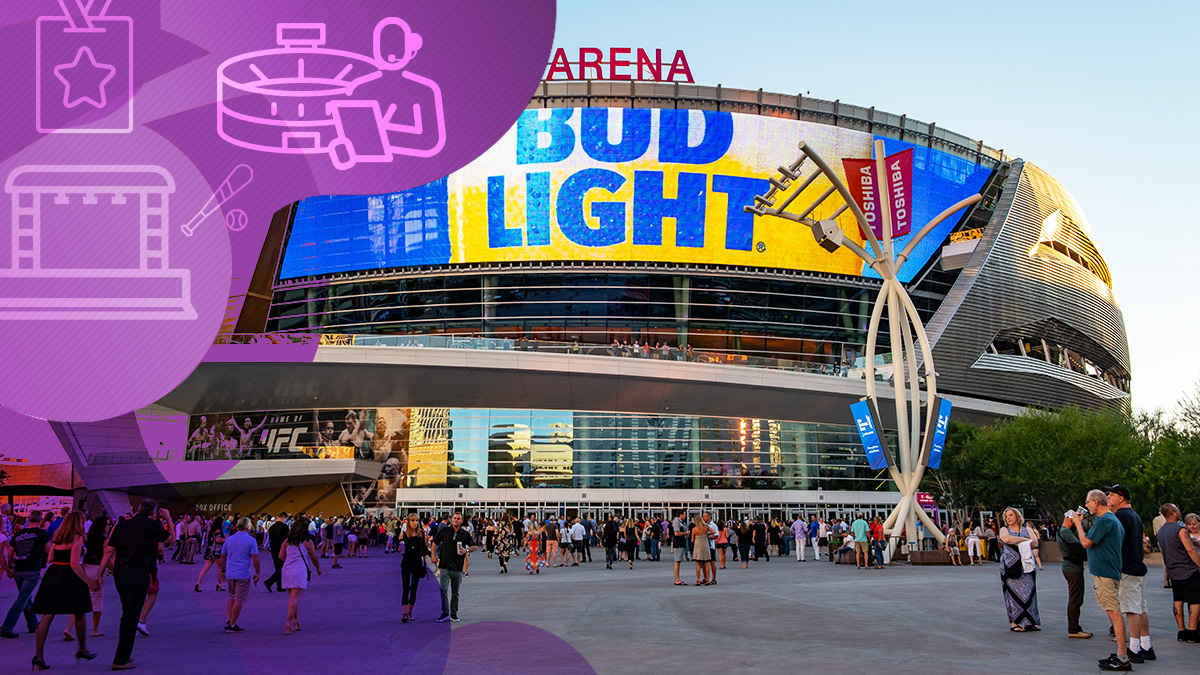
Effective event sponsorship provides funding for your special event and boosts your event's credibility at the same time. Sponsorship can improve your event's success by reaching more people and drawing in larger crowds.
Linking your event with the right sponsor can even enhance your audience engagement and help expose your event to its target audience. Choosing and recruiting the right sponsors can amplify your special event, bringing it to the next level.
Many event organizers struggle to secure the best sponsors for their events. Knowing how to approach sponsors can help make the process easier. As an event organizer, you must create proposals that clearly demonstrate the benefits of sponsorship.
Key Takeaways
- Research your audience and similar events before building a sponsor list
- A short, benefit focused outreach letter gets more responses than a long one
- Sponsorship packages with clear tiers (Bronze, Silver, Gold, Presenting Sponsor) make it easy for companies to say yes
- Visibility tools like barricade covers, signage, and onsite branding give sponsors real, measurable exposure
- Strong event planning helps you retain sponsors and attract new ones year over year
How to Select and Approach Potential Sponsors
Selecting and approaching potential sponsors is a process. Doing your research can help you find companies and organizations that will benefit from sponsorship. It's important to be thorough and conduct reliable research about your event.
Know Your Audience
Who is coming to your event? Asking questions when selling tickets can help you identify your audience demographics. Knowing their approximate age, income level, location, and shared interests helps you identify who they are and why they've come to your event.
Other ways to get to know your audience include:
- Google analytics. Use Google analytics to find out who is visiting your website, how many people are visiting your website, and where they're learning about your website.
- Social media analytics. Some social media platforms can help your business identify your audience through analytics similar to Google's. Facebook's Audience Insights is one example of this.
Identify Companies that Resonate with Your Audience
Once you know your audience and their interests, you can identify companies and organizations that resonate with your audience. For example, if the majority of your audience regularly shops at a particular store, adding them as an event sponsor may help attract your intended audience.
If your audience all comes from one city or even one neighborhood, a local sponsor from the area can help build credibility for your event.
Research Similar Events
How does your event compare to other recent events? If your event is similar, knowing those event sponsors can help you decide which companies to target.

Create an Initial Outreach Letter
Once you've created a list of potential sponsors, it's time to create an initial outreach letter. This is a short letter to send to potential sponsors to make your pitch. Some tips:
- Short is best. Most company contacts will not take the time to read a long letter. The ideal length for this letter is a page or a page and a half.
- Highlight mutual benefits. Show how you and your sponsor will each benefit from the sponsorship opportunity.
- Mention other opportunities. List other upcoming events that offer further opportunities for collaboration.
- Back it up with numbers. Use statistics to show your potential sponsor how they can benefit from this sponsorship opportunity. You may mention the number of expected visitors, the many opportunities to promote the brand as the event sponsor, and the event's good reputation in the community.
- Send it to the right person. Send your sponsorship proposal to a key sponsorship decision-maker at the company. If you don't know who that is, use pre-existing company contacts (if you have any) to find the best person.
- Customizing the proposal for each sponsor. Customize the sponsorship proposals to fit the specific needs and goals of each potential sponsor. Show that the offer is especially relevant to their brand and objectives by drawing the line between your event and the event that you're asking them to sponsor.
Creating a Proposal That Wows Potential Sponsors
Once the event sponsorship proposal letter has been sent, companies that are interested in sponsorship may request more information beyond the initial inquiry.
For these inquiries, prepare a presentation that goes deeper into the sponsorship opportunity. You should cover topics such as:
- Value of the partnership. Summarize the opportunities sponsors gain through partnership, such as brand exposure and audience interaction.
- Demographics. Cite research that shows who makes up the event audience.
- List of marketing opportunities. Sponsoring companies use their sponsorship opportunities to advertise their company. Written mentions of the sponsors on event fliers and television commercials that mention the sponsors' names are all benefits that sponsors want to know about.
Brainstorm Marketing Incentives Before Making Your Proposal
The stronger your proposal to potential sponsors, the more likely it is that sponsors will accept it. Brainstorming marketing incentives before making your proposal helps you to present a strong case for sponsorship. Some examples of marketing incentives include:
- Mention of sponsorship in advertisements: Offer sponsors free promotion via event marketing materials like banners, fliers, and digital ads. These materials will give sponsors visibility before, during, and after the event. Discuss where fliers will be distributed and for how long prior to the state date. Be prepared to discuss the distribution of digital ads as well, including the platforms where they will be available and, if numbers are available, how they performed in previous years.
- On-site marketing opportunities: Allow your sponsors to add banners and free informational booths at your special event. This gives them the opportunity to spread information about their products to potential clients.
- Use barricade covers as sponsorship opportunities: Barricade covers represent a unique, low-cost advertising option. If your event already uses barricades for crowd control, converting these barricade covers into branded billboards is easy. This provides additional exposure for sponsors. These barricade covers are seen by event-goers and passersby, creating broader brand awareness.

Offering Unique Sponsorship Opportunities
Think creatively about what makes your event special and what unique value your event can offer to sponsors. Marketing incentives are only one potential benefit that may entice companies to become sponsors. Some other examples of benefits that you can provide include:
- VIP experiences. Whether you're hosting a sporting event or a concert, providing sponsors with VIP experiences can make sponsorship a more enticing opportunity for many companies.
- Exclusive branding opportunities. Give your main sponsor or sponsors exclusive branding opportunities, including the opportunity to place their name (without others) on all main signs and in all television advertisements.
Event Sponsorship Ideas That Create Visibility
Marketing incentives are only part of the equation. The events that land the strongest sponsors think creatively about the visibility they can offer.
Barricade covers are one of the most effective and underused tools for this. If your event already uses barricades for crowd control, you already have a built in advertising surface. Converting those barricades into branded covers turns a functional safety tool into a highly visible billboard, seen by every attendee who passes through your entry points, walkways, and stage areas.
What makes barricade covers especially valuable:
- High foot traffic exposure. Barricades are placed exactly where crowds gather and move, so sponsor branding gets seen repeatedly throughout the event rather than just once.
- Passerby visibility. Unlike a program ad or a wristband, barricade covers are visible to people who never even buy a ticket, extending brand reach beyond your ticketed audience.
- Low cost relative to impact. Compared to large scale signage or stage branding, barricade covers offer a strong return on a relatively small investment, which makes them an easy addition to lower tier sponsorship packages.
- Reusability across events. Custom covers can be reused for future events, giving sponsors ongoing exposure and giving organizers a reason to renew the relationship.
Beyond barricades, other visibility focused ideas include:
- VIP experiences. Whether you're running a concert or a sporting event, VIP access makes sponsorship far more appealing to companies looking for a premium association.
- Exclusive branding opportunities. Offer your top sponsor exclusive naming rights on main signage or in broadcast mentions, without competing logos nearby.
- Step and repeat banners or photo backdrops. These generate organic social media content featuring sponsor logos every time attendees take photos.
- Digital signage and livestream placements. If your event streams online or uses digital screens, sponsors get exposure that extends well past the physical venue.
How to Create Event Sponsorship Packages
One of the easiest ways to make sponsorship simple to say yes to is offering clear, tiered packages instead of negotiating every deal from scratch. Tiered packages let sponsors self select based on budget while giving you a repeatable structure to sell.
A typical tier structure looks like this:
- Bronze
- Silver
- Gold
Presenting Sponsor
Each tier should come with a different level of visibility and involvement, so sponsors clearly see what more investment buys them.
Bronze is typically the entry level tier. It might include a logo placement on the event website, a mention in event materials, and a small sign at the venue. This tier is a low risk way for smaller or local businesses to get involved.
Silver adds more direct exposure, such as logo placement on printed materials, a booth or table at the event, and mentions across social media promotion. This tier suits growing companies that want measurable visibility without a major spend.
Gold typically includes prominent signage, inclusion in press releases, a speaking opportunity or onstage mention, and premium placement on barricade covers or step and repeat banners. This tier works well for regional or established brands looking for a stronger association with your event.
Presenting Sponsor sits at the top. This tier often includes naming rights (for example, "Event Name, presented by Sponsor"), exclusive branding with no competing logos, prime placement across all signage and barricade covers, VIP access, and top billing in every promotional channel. Because this is your highest investment tier, it should also come with the most direct benefits, such as first right of refusal for next year's event.
Structuring packages this way gives you a menu you can send to any prospect, speeds up your sales conversations, and makes it easy to show sponsors exactly what their money buys at each level.
FAQs
How do I find sponsors for a small or local event?
Start with businesses that already serve your event's audience, such as local shops, restaurants, or service providers. Local sponsors often respond well to community based events and typically expect a lower cost of entry than national brands.
What should be included in a sponsorship proposal?
A strong proposal includes audience demographics, expected attendance, the marketing opportunities available (fliers, digital ads, signage, barricade covers), and a clear breakdown of sponsorship tiers and pricing.
How many sponsorship tiers should an event offer?
Three to four tiers is usually enough. Too few tiers limits your options for different budgets, while too many can overwhelm prospects and slow down decision making.
Are barricade covers worth it for sponsorship visibility?
Yes. Barricade covers turn equipment your event already uses for crowd control into branded advertising space, offering high visibility to both attendees and passersby at a relatively low cost.
How much should I charge for a Presenting Sponsor package?
Pricing depends on your event's size, audience, and exposure level, but Presenting Sponsor packages typically command the highest price since they include exclusive naming rights and the most prominent placement across all event materials.
When should I start reaching out to potential sponsors?
Ideally three to six months before your event, giving sponsors enough time to review your proposal, get internal approval, and plan their own marketing around the partnership.
Plan Your Special Event Using Smart Strategies
Securing event sponsors is just one part of running a successful event. Flawless event planning helps sponsors see the value of their partnership and will assist to draw in more sponsors over time.
Having more event sponsors means having bigger and more profitable events. The more sponsors that your event collects, the easier it is to grow your event without raising ticket prices to an amount that your event-goers would find untenable.
Of course, finding sponsors is just one thing that your company must do to plan a special event. There are many parts to planning successful special events.
Are you ready to take your event planning to the next level? Check out our guide on How to Plan an Event to ensure your event is safe and well-organized.
Trend now

Temporary Fence Rental Lifespan: Tips to Make Your Fence Last Longer
Learn the storage habits that extend the lifespan of every panel.

How to Manage a Crowd at an Event: A Complete Guide for Event Managers
Learn how to manage a crowd at an event with proven strategies for planning, signage, barriers, staffing and more.

How to Install a Mesh Chain-Link Fence: Step-by-Step Guide
Learn how to install a mesh chain-link fence step by step.
Search for category
Request a quote now! 