






Crowd Barricades for Venues & Arenas: A Guide to Safer Crowds

SONCO, October 2, 2025
Read more about the author


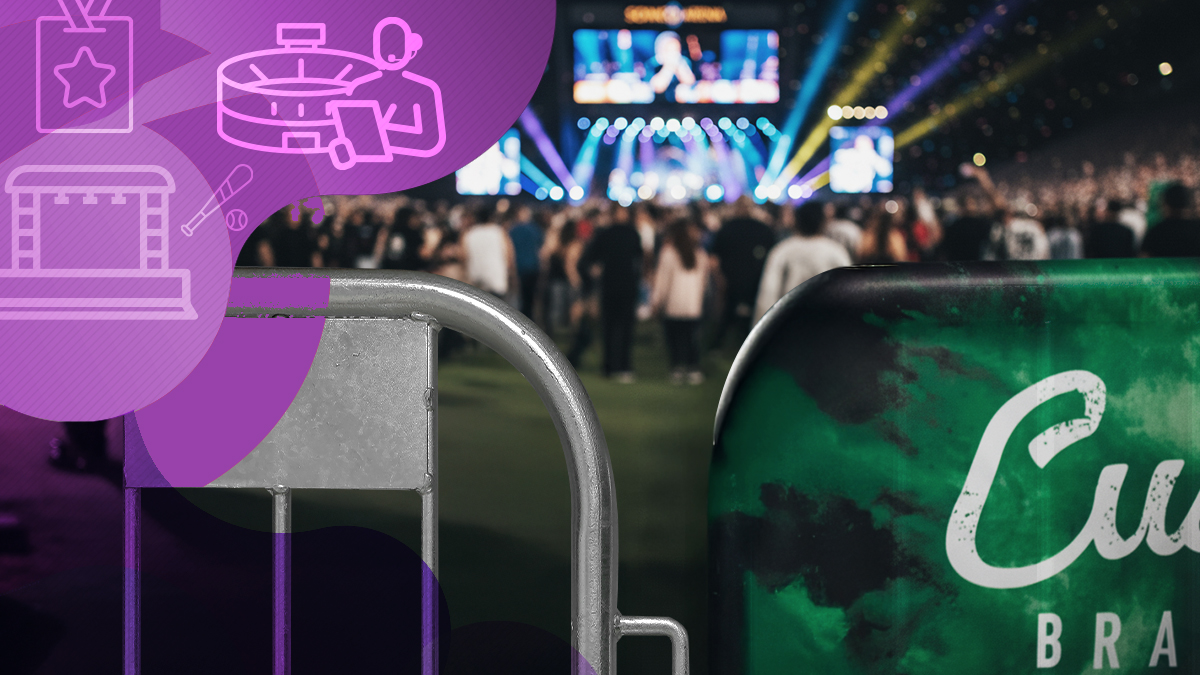
Stadium incidents over the past few years show the same pattern again: the first line of defense isn't inside the venue; it's the crowd barricade line outside.
Liability, safety, and reputation can all be compromised before a single fan reaches the gate.
Key Takeaways
- Crowd barricades are the first layer of venue security, not an afterthought.
- Steel barricades outperform lightweight alternatives during crowd surges and high-pressure situations.
- Proper barricade placement reduces bottlenecks and improves emergency access.
- Barricades work best when combined with clear signage and trained personnel.
- Choosing the right barricade depends on crowd size, venue layout, and event type.
The Risk of Weak Crowd Barricades
Incidents don't just happen by chance. Weak barricading, insufficient planning, or simply underestimating crowd pressure can turn a normal event into a crisis. The stakes are high: injuries, lost revenue, public scrutiny, and legal exposure that can follow a venue for years.
Year after year, the same truth holds: what happens outside the gates often decides how safe the whole event will be, because that's where the pressure builds first.

Real US Incidents That Exposed Gaps in Crowd Control
- Copa América Final, Hard Rock Stadium, Miami Gardens (2024) Fans without tickets pushed against gates and railings, overwhelming security and delaying the event.
- Astroworld Festival, Houston (2021) A crowd surge overwhelmed barriers and security, leading to 10 deaths and hundreds of injuries. Litigation costs reached over $280 million.
- Beyoncé Concert, United Center, Chicago (2013) Two fans sued after being trampled during gate opening, alleging there was no orderly admission procedure, which led to a "rushing mob."
As Nicholas notes: "The cost of strong barricades is always lower than the cost of a single incident."
Where Are Crowd Barricades Used?
Crowd control barriers show up anywhere large numbers of people gather and movement needs to be managed:
- Stadium and arena entrances
- Concerts and music festivals
- Parades and public celebrations
- Political events and rallies
- Sporting events and marathons
- Airports and transit hubs
- Theme parks and amusement venues
- Conventions and trade shows
Each setting has different pressure points, but the underlying goal is the same: keep people moving safely and give staff a physical structure to manage the flow.
Types of Crowd Barricades
Not every event calls for the same equipment. Understanding the main categories of crowd control barriers helps venue managers match the right tool to the right situation.
- Steel barricades – The industry standard for stadiums and arenas; heavy, stable, and built to absorb pressure from large crowds.
- Bike rack barricades – Lightweight, portable barriers commonly used for marathons, parades, and general crowd guidance.
- Interlocking barricades – Barriers that connect end-to-end to form a continuous, hard-to-breach line, ideal for perimeter security.
- Water-filled barriers – Used primarily for vehicle exclusion and traffic-calming rather than pedestrian crowd control.
- Plastic barriers – Low-cost, lightweight options suited for low-risk, low-density settings.
- Pedestrian barricades – General-purpose barriers for directing foot traffic in queues, lobbies, and walkways.
For venues managing thousands of fans under real physical pressure, steel remains the preferred choice — a point worth exploring further.


How Crowd Control Barricades Protect Venues and Arenas
Venues that invest in the right systems know barricades do far more than mark a line. They protect against chaos in several distinct ways:
- Preventing crowd surges – absorbing pressure before it reaches gates and staff.
- Separating pedestrian flows – keeping entry and exit traffic from colliding.
- Enabling emergency access – preserving clear lanes for first responders.
- Managing queues – reducing wait-time frustration and bottlenecks.
- Supporting VIP and performer security – creating controlled, secure zones.
- Excluding unauthorized vehicles – protecting pedestrian areas from vehicle intrusion.
- Protecting sponsor and brand assets – keeping branded areas and signage secure and visible.
- Assisting entry screening – funneling attendees into orderly, single-file security checks.
For venue managers, barricades aren't just about avoiding problems — they're about showing visible readiness at every event.
How to Plan a Safe Barricade Layout
Buying barricades is only part of the job. The bigger challenge is planning where they go. A safe layout accounts for:
- Entrances and exits – clearly separated to prevent crossflow.
- ADA-compliant access routes – ensuring accessible paths are never blocked.
- Fire lanes – kept clear at all times per local fire code.
- Security checkpoints – positioned to funnel crowds without creating pinch points.
- Emergency evacuation routes – mapped out and rehearsed before doors open.
- Crowd pressure points – areas like gate openings, stage fronts, and pinch points that need reinforced barricading.
Venues that map these elements in advance — rather than reacting on event day — consistently see fewer bottlenecks and faster emergency response times.
Barricades Work Better with Clear Safety Signage
Barricades tell a crowd where not to go. Signage tells them where to go — and pairing the two closes the gap between physical control and crowd understanding. Effective signage programs typically include:
- Directional signage for entry and exit flow
- Emergency exit markers
- Queue and line-management signs
- Restricted-area notices
- Parking and arrival guidance
- General wayfinding for large campuses or stadium complexes
A barricade line without signage relies on staff to redirect confused attendees one at a time. A barricade line with clear signage manages hundreds of people at once.

Why Steel Crowd Barricades Are the Industry Standard
Not all barricades are built the same. When the pressure is on, steel is what venues and arenas count on:
- Stronger under pressure – Steel frames hold their ground when crowds push, unlike lighter plastic or aluminum options.
- Long-lasting – Built for repeated setups, they don't bend or break after a few events.
- Professional appearance – A solid barricade line sends a clear message that safety is a priority.
- Flexible use – They connect easily, move fast, and adapt to different layouts.
For big crowds and high-stakes events, steel barriers aren't just equipment — they're the baseline for keeping fans, staff, and performers safe.
Which Crowd Barricade Is Right for Your Venue?
| Event Type | Recommended Barricade |
| NFL Stadium | Heavy-Duty Steel |
| Music Festival | Steel + Barricade Covers |
| Marathon | Bike Rack |
| Parade | Interlocking Steel |
| Convention | Portable Barricades |
Proven Reliability: SONCO’s Crowd Barricades at the US Presidential Inauguration
The U.S. Government trusted SONCO for the Presidential Inauguration in Washington, D.C., when more than 500,000 people filled the city. SONCO supplied heavy-duty steel barricades and direct on-site support, working closely with federal security teams and event staff; proof that the same systems available to venues nationwide are trusted at the highest level of public safety.
At the end, every venue is different. The right barricade setup depends on knowing where pressure points form outside the gates.

The Bottom Line: Why Venues Choose SONCO
Perimeter crowd control is one of the most overlooked — and most consequential — parts of event safety. Astroworld, Hard Rock Stadium, and United Center all point to the same lesson: crowd pressure builds outside the gates long before it's visible inside the venue. Barricades are a critical piece of that defense, but they work best alongside careful planning, trained staff, and clear signage.
For over 50 years, SONCO has supplied venues and arenas nationwide with heavy-duty steel barricades, branded covers, and on-time delivery — backed by specialists who help plan the setup, not just ship the equipment.
Ready to strengthen your venue's safety? Request a quote or call 866-254-6510.
Frequently Asked Questions
What is a crowd barricade?
A crowd barricade is a freestanding, interlocking barrier used to control pedestrian flow, mark restricted areas, and absorb crowd pressure at events and venues.
What are steel crowd barricades? Steel crowd barricades are heavy-duty barriers made from steel tubing, designed to withstand repeated use and resist bending or failure under crowd pressure — the standard choice for stadiums and arenas.
How much pressure can a crowd barricade withstand?
Capacity varies by design, weight, and base configuration. Heavy-duty steel barricades with reinforced feet are built specifically to resist the lateral pressure generated by large, dense crowds, which is why they're preferred over lightweight alternatives for high-attendance events.
What is the difference between bike rack barricades and police barricades?
Bike rack barricades are lightweight, portable barriers typically used for general crowd guidance, marathons, and parades. Police barricades (often heavier steel models) are built for higher-pressure, higher-security situations such as stadium perimeters and secured entry points.
How many barricades does an event need?
This depends on venue layout, expected attendance, entry/exit points, and pressure zones. A venue safety specialist can calculate barricade counts based on perimeter length and crowd density projections.
Where should barricades be placed?
Barricades should be placed at entrances, exits, gate-opening zones, security checkpoints, stage fronts, and any area identified as a potential pressure point during planning.
Can crowd barricades be customized?
Yes. Many barricades can be fitted with branded covers, signage panels, or color-matched finishes for sponsor visibility and venue branding.
Are crowd barricades OSHA compliant?
Barricade use should align with applicable OSHA guidelines for crowd management and worker safety, as well as local fire and building codes. Venue managers should consult current OSHA standards and local authorities when finalizing a safety plan.
Trend now

Temporary Fence Rental Lifespan: Tips to Make Your Fence Last Longer
Learn the storage habits that extend the lifespan of every panel.

How to Manage a Crowd at an Event: A Complete Guide for Event Managers
Learn how to manage a crowd at an event with proven strategies for planning, signage, barriers, staffing and more.

How to Install a Mesh Chain-Link Fence: Step-by-Step Guide
Learn how to install a mesh chain-link fence step by step.
Search for category
Request a quote now! 