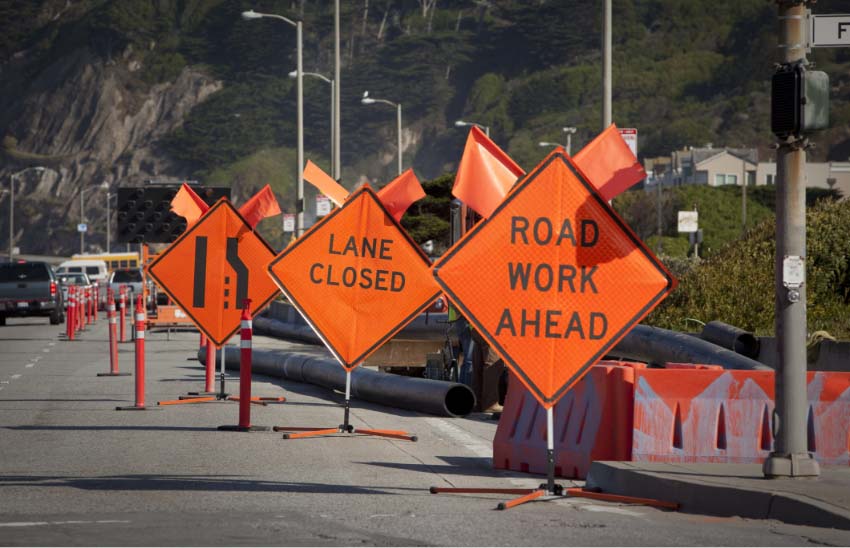
Traffic Safety Signs for Work Zones and Road Operations
Selecting the right traffic safety sign depends on more than just the message it displays. Material, reflectivity grade, sign size, and stand configuration all affect how well a sign performs under real operating conditions, whether it's a daytime construction zone on a low-volume road or a nighttime lane closure on a highway.
Choose the Right Roll-Up Signs for Your Work Site
Traffic safety signs are used across construction work zones, utility operations, municipal maintenance, and other temporary traffic control setups where clear driver communication is essential. Use the guide below to match your site's conditions to the right safety sign configuration.
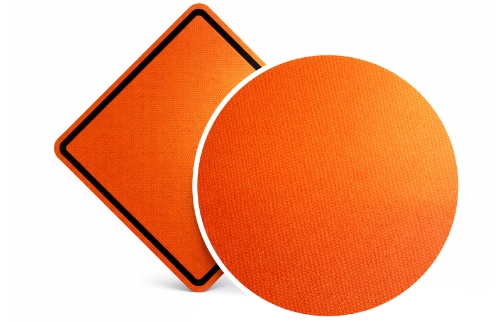
Standard Mesh Roll-Up Signs
Best for: low-budget daytime sites; short-duration work zones; sites where signs will be used infrequently.
Works best when: the operation runs exclusively during daylight hours, traffic speeds are low, and cost is the primary constraint.
Less suitable when: the work zone signs need to remain visible after dark or the site involves higher-speed traffic requiring compliant reflective sheeting.
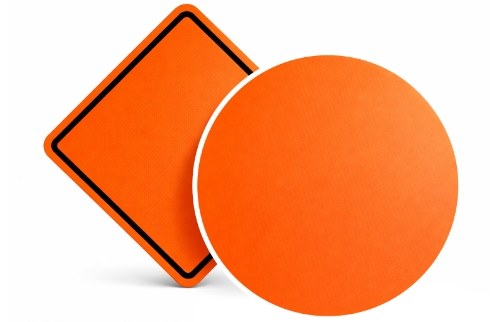
Non-Reflective Vinyl Roll-Up Signs
Best for: daytime work zones where durability and fade-resistance matter more than reflectivity.
Works best when: the sign will be used repeatedly over time in outdoor conditions, but only during daylight hours.
Typical applications: recurring road maintenance crews; utility teams with consistent daytime schedules; construction sites with controlled access.
Less suitable when: the setup extends into low-light conditions or MUTCD compliancerequires reflective sheeting for the road type.
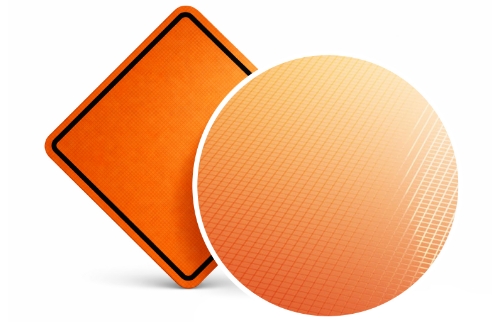
HIP Reflective Roll-Up Signs
Best for: active road work zones; nighttime operations; sites where MUTCD compliance requires high-intensity reflective sheeting.
Works best when: traffic speeds are moderate to high, the setup runs through low-light or nighttime hours, and the work zone signs need to meet reflectivity standards.
Typical applications: highway maintenance crews; lane closures on active roadways; utility work that extends into evening hours.
Less suitable when: the operation is daytime-only and a non-reflective option would meet requirements at lower cost.
Premium Mesh Roll-Up Signs
Best for: daytime setups where wind resistance and mold resistance matter; longer-duration outdoor installations.
Works best when: the construction zone signs will be exposed to humid or wet conditions over extended periods, and breathability is needed to reduce wind load on the sign.
Typical applications: long-term construction projects in humid climates, coastal or outdoor environments; sites with frequent wind exposure.
Less suitable when: nighttime visibility or reflective compliance is required.
Orafol Marathon Roll-Up Signs
Best for: long-term work zones where sign brightness needs to hold up over time without fading.
Works best when: the road work signs will remain in place for extended periods and fluorescent brightness retention matters more than maximum nighttime reflectivity.
Typical applications: multi-month construction projects, infrastructure work; long-duration highway maintenance and traffic control setups.
Less suitable when: the setup is short-term or maximum nighttime retroreflectivity is the primary requirement.
3M Diamond Grade (DG) Roll-Up Signs
Best for: high-speed roadways, critical work zones, nighttime operations requiring maximum visibility at distance.
Works best when: traffic speeds are high, early driver detection is essential, and the MUTCD signs must meet the highest reflectivity standards available.
Typical applications: freeway and expressway work zones; high-risk lane closures; nighttime operations on high-volume roads.
Less suitable when: the site is low-speed or daytime-only, and a HIP or non-reflective option would meet requirements at lower cost.
Roll-Up Sign Stands
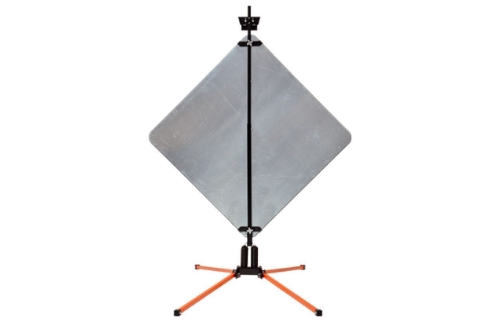
Best for: any work zone sign setup that requires a stable, freestanding display solution.
Works best when: the sign needs to remain upright in variable wind conditions, the setup changes frequently, or NCHRP-350 certification is required for use on the national highway system.
Typical applications: roadwork crews, traffic control setups on active streets, any application where traffic safety signs must be mounted at a consistent height for driver visibility.
Less suitable when: signs are mounted on barricades or fixed structures that already provide stable support without a freestanding stand.
Sign Overlays and Accessories
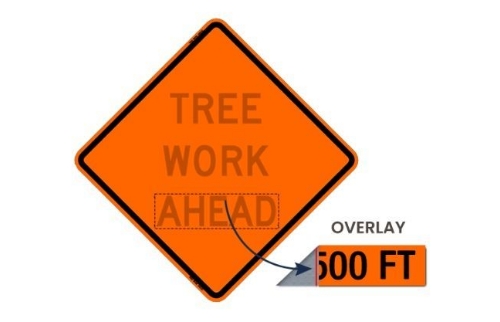
Best for: work zones that require multiple messaging options without carrying a full inventory of individual road work signs.
Works best when: the layout or hazard type changes throughout a project and the team needs to adapt sign messaging quickly without replacing full sign panels.
Typical applications: construction sites with changing conditions, temporary work zone setups that shift between phases, utility work across multiple site configurations.
Less suitable when: messaging is fixed throughout the project and a dedicated sign per message is more practical than managing overlays in the field.
Roll-Up Safety Signs FAQs
1. What is the difference between roll-up signs and rigid traffic safety signs?
A: Roll-up signs are made from flexible vinyl or mesh materials that fold compactly for transport and deploy quickly in the field. Rigid signs are fixed panels better suited for permanent or semi-permanent installations. For most active work zones and road work applications, roll-up signs are the standard choice because of their portability and ease of setup.
2. What size traffic safety signs does MUTCD require for different road types?
A: MUTCD specifies sign size based on road classification. For conventional roads, 36" work zone signs are typically required. For expressways and freeways, 48" MUTCD signs are the standard minimum. Transportation engineers should verify size requirements based on the specific road type before specifying.
3. When do traffic safety signs need to be reflective?
A: Any traffic safety sign used in low-light or nighttime conditions must use reflective sheeting. For most applications, HIP reflective sheeting is the minimum standard. High-speed environments like freeways may require 3M Diamond Grade sheeting for maximum retroreflectivity. Daytime-only applications on low-volume roads may qualify for non-reflective options.
4. What does MUTCD compliance mean for work zone signs?
A: MUTCD (Manual on Uniform Traffic Control Devices) sets federal standards for the design, placement, and reflectivity of traffic safety signs on public roads. MUTCD signs must meet specific requirements for color, legend, size, and sheeting grade depending on the road type and application. Non-compliant signage can expose contractors and agencies to liability.
5. What is the difference between springless, single spring, and dual spring roll-up sign stands?
A: Springless stands are the most stable option for low-wind environments. Single spring stands recover position after moderate wind gusts without manual intervention. Dual spring stands provide the highest wind recovery performance for exposed or high-speed road environments. All three configurations are NCHRP-350 certified for use with road work signs on the national highway system.
6. Can roll-up signs be customized with different messages?
A: Yes. Border-only construction zone signs are available as blank panels that accept custom legends using MUTCD-compliant fonts. Sign overlays also allow teams to change messaging on existing panels without replacing the full sign, making it easier to adapt temporary traffic control signs to changing site conditions.
7. Which reflective sheeting on temporary traffic signs retain brightness longest?
A:Orafol Marathon fluorescent sheeting is engineered for long-term brightness retention, making it the best option when road work signs need to maintain consistent visibility over multi-month deployments. For maximum nighttime reflectivity at any duration, 3M Diamond Grade MUTCDsigns provide the highest performance available.
Resources to Support Traffic Safety Sign Selection
Understand what each temporary traffic sign communicates to drivers and why getting the right message in the right location is essential for work zone safety and MUTCD compliance.
See how traffic safety signs, traffic control equipment, and site organization work together to protect workers and drivers on active road construction sites.