






Construction Equipment Rentals: 10 Profitable Options for Rental Companies

SONCO, July 24, 2024
Read more about the author


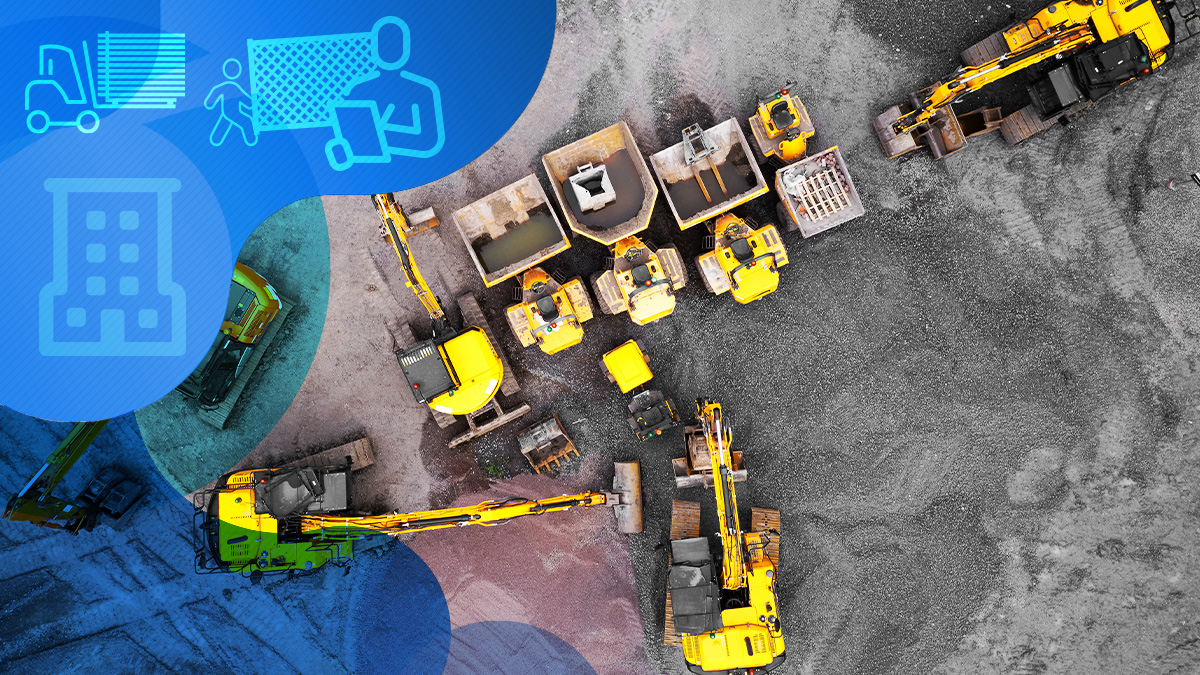
Construction equipment rentals are booming. Americans are projected to spend a record $76 billion on equipment rentals in 2024, and global outsourcing spend topped $720 billion in 2023, both signs that contractors would rather rent than own.
For rental companies, that shift is an open door: businesses that diversify beyond their core inventory build repeat customers, capture a bigger share of every jobsite, and turn idle yard space into revenue.
This guide breaks down the 10 most profitable pieces of construction equipment to add to your rental fleet, how to evaluate which ones are right for your business, and how one add on, temporary fencing, turned a septic rental company into a full service safety equipment provider.
Key Takeaways
- The most profitable rental equipment tends to be low maintenance, high turnover, and useful across multiple industries, not just construction.
- Temporary fencing, barricades, and signage are regulatory necessities on nearly every jobsite, which makes them some of the most reliable, recurring revenue generators in a rental fleet.
- Crossover equipment such as pressure washers, woodchippers, and handwashing stations extends your customer base into events, landscaping, and residential markets, not just contractors.
- Choosing what to add to a fleet should come down to four factors: return on investment, market demand, utilization rate, and storage and maintenance cost.
Is the Construction Equipment Rental Business Profitable?
Yes. Companies that diversify their rental portfolio see higher customer loyalty, more repeat business, and stronger margins than those that stick to a narrow inventory.
A few factors drive that profitability:
- Outsourcing is now the default. For most contractors, owning, storing, and maintaining an equipment inventory costs more than renting it short term. Rental fees have become a standard line item, treated the same way as permits or worker's compensation insurance.
- Infrastructure spending is sustaining demand. The ongoing rollout of $1.2 trillion in federal infrastructure funding keeps construction volume, and rental demand, high.
- Idle inventory is the only real risk. A fee can be assigned to nearly any rentable asset. The businesses that struggle are the ones whose equipment sits unused, not the ones that rent it out.
- Niche and crossover equipment expands the customer base. Event planners, landscapers, and homeowners often need the same equipment as contractors, which means a single asset can serve multiple markets at once.
What Construction Equipment Is Most Profitable to Rent?
The most profitable equipment to rent is generally low cost to maintain, in steady demand across more than one industry, and turns over quickly rather than sitting idle between jobs.
Temporary fencing, portable sanitation, and traffic safety equipment such as barricades and signage top the list because they're regulatory or practical necessities on almost every jobsite and event, which keeps utilization high and demand predictable year round.
10 Construction Equipment Rental Ideas
There isn't one universally profitable piece of construction equipment. The best rental opportunities are equipment that customers need frequently, can be used across multiple project types, and can generate repeat rental revenue without excessive storage or maintenance costs.
1. Truck Rental Fleets
Big box home improvement chains have proven the model: pairing equipment rentals with truck rentals creates a one stop shop for DIYers and contractors who need to transport what they rent. Adding a fleet of rental trucks gives customers a reason to come back to your yard instead of a competitor's, and it opens up an entirely separate revenue stream tied directly to your existing equipment rentals.
2. Portable Bathrooms
Almost every new build, road project, and land development requires a place for workers to relieve themselves, and most jobsite owners aren't loyal to a specific sanitation provider. Equipment rental companies that assume this business belongs to dedicated portable toilet vendors are leaving money on the table.
Adding a portable bathroom inventory captures spend that's already happening on every site you serve.

3. Portable Handwashing Stations
Heightened hygiene expectations since the pandemic have made handwashing stations a near standard jobsite requirement, not a nice to have. These units also cross over well into weddings, concerts, festivals, and community events, where offering on site hygiene options signals professionalism to event organizers.
4. Pressure Washers
Pressure washer rentals stay in high demand across both residential and commercial use. Homeowners gravitate toward lightweight units that fit in a trunk, while painters, deck refinishers, and gutter cleaners rent heavier, wheeled units on a need basis, even when they own their own equipment, to cover demand spikes.
5. Woodchippers
Woodchippers are a strong crossover rental: small landscaping companies prefer renting over owning to avoid storage costs, and homeowners tackling brush clearing or ground clearing projects need them occasionally rather than regularly. Stocking units that attach to standard SUV and pickup trailer hitches widens the pool of customers who can use them.
6. Concrete Mixers
Rental companies can approach concrete mixers two ways: investing in a large commercial mixer for sizable contractor projects, which sees fewer uses per year but commands a higher price point, or a mid sized unit built for contractors, jack of all trades service providers, and DIYers handling smaller pours below what concrete companies will deliver. The mid sized option tends to generate more consistent utilization.
7. Temporary Fencing
Of all the crossover equipment on this list, temporary fencing is the most consistently sought after, and the least optional. Federal regulations require builders to erect temporary fencing to keep children and passersby out of hazardous work areas, which makes it close to non negotiable demand rather than a discretionary rental.
Beyond construction, outdoor festivals, weddings, concerts, and community events rely on temporary fencing to direct foot traffic, mark boundaries, and support security checks.
SONCO makes it easy to build out a full fencing rental line, offering temporary fence panels and gates alongside anchor weights for stability, fence screens for added privacy and branding, sign plates, and storage racks to keep inventory organized between jobs.
8. Traffic Barriers and Barricades
Traffic control equipment pairs naturally with fencing rentals and extends a company's reach into road construction, event management, and municipal projects.
Water filled barriers, metal barricades, and plastic barricades all serve different budget and duration needs, giving rental companies flexibility to serve everything from a weekend street closure to a months long road project.
SONCO's traffic safety line covers this range directly, with water filled barriers, metal barricades, and plastic barricades available to round out a fleet built for both short term events and longer municipal jobs.
9. Construction Safety Signage
Signage is a low cost, high margin add on to any fencing or barricade rental. It's also required on most regulated jobsites, which means signage rentals tend to move alongside fencing and barrier orders rather than as a standalone decision, making it easy to bundle into existing quotes.
SONCO offers construction safety signs, and custom signage, so rental companies can bundle signage directly into fencing and barricade orders instead of sourcing it separately.
10. Jobsite Perimeter and Access Control Equipment
Beyond basic fencing, contractors on larger or higher security sites need perimeter systems that control who and what can access a jobsite: post driven fencing for long term stability, anti scale options for higher security requirements, and gates for controlled entry points. This category tends to serve larger commercial and industrial projects with longer rental durations.
For these higher security needs, SONCO supplies post driven fencing, anti scale options, gates, and stability accessories built for extended jobsite deployments.

How to Choose Equipment for Your Rental Fleet
Not every piece of equipment on this list makes sense for every rental company. Before adding a new category to your fleet, weigh it against four factors:
- Return on investment. Compare the purchase or leasing cost of the equipment against the rental rate you can realistically charge, and estimate how many rental cycles it takes to break even.
- Market demand. Look at what's already regulated or required on jobsites in your region, like fencing and signage, versus what's discretionary, like woodchippers. Regulated equipment tends to have steadier demand.
- Utilization rate. Equipment that only gets used a few times a year ties up capital without generating proportional revenue. Favor categories with consistent, cross industry demand.
- Storage and maintenance. Bulky or high maintenance equipment, like large concrete mixers, can erode margins if it requires significant space or upkeep between rentals. Factor these ongoing costs into your pricing before committing.
How Temporary Fencing Can Create Additional Rental Revenue
Temporary fencing is one of the clearest examples of how a single add on category can reshape a rental business.
Mason Boudreaux, CEO of Joe's Septic Contractors, originally ran a business built entirely around porta potty rentals. After partnering with SONCO to add temporary fencing to his offering, his business shifted: he now runs a successful temporary fence rental operation, with customers coming to him specifically for the fencing, not just the sanitation equipment he started with.
His story illustrates the broader opportunity on this list. Fencing isn't just a side offering. For many rental companies, it becomes a primary revenue driver once customers realize it's available.
FAQs About Construction Equipment Rentals
What construction equipment is easiest to add to an existing rental fleet?
Low maintenance, high turnover items like temporary fencing, barricades, and signage are typically the easiest to add. They require less storage and upkeep than heavy machinery like concrete mixers or trucks, and demand tends to be steady rather than seasonal.
Is temporary fencing required by law on construction sites?
Federal regulations generally require builders to erect temporary fencing around active construction sites to prevent unauthorized access by children or passersby, which makes it one of the more reliable, recurring rental categories.
Can construction equipment rentals work for non construction customers?
Yes. Equipment like pressure washers, handwashing stations, woodchippers, fencing, and barricades all see strong demand from event planners, landscapers, and homeowners, not just contractors, which widens the customer base for any single piece of equipment.
How do rental companies decide what equipment to invest in?
Most evaluate potential additions based on return on investment, regional market demand, expected utilization rate, and the ongoing cost of storage and maintenance before committing capital to a new category.
Build a More Profitable Construction Rental Fleet
Diversifying your rental inventory, from portable sanitation to temporary fencing and traffic safety equipment, is one of the most reliable ways to increase repeat business and capture more revenue from every jobsite you already serve.
SONCO offers special pricing for rental companies looking to expand their fleet.
Request your quote today to see how temporary fencing, barricades, and signage can become your next profit center.
Trend now

Temporary Fence Rental Lifespan: Tips to Make Your Fence Last Longer
Learn the storage habits that extend the lifespan of every panel.

How to Manage a Crowd at an Event: A Complete Guide for Event Managers
Learn how to manage a crowd at an event with proven strategies for planning, signage, barriers, staffing and more.

How to Install a Mesh Chain-Link Fence: Step-by-Step Guide
Learn how to install a mesh chain-link fence step by step.
Search for category
Request a quote now! 